
How do micro ring hair extensions create a more natural look?
Micro ring hair extensions create a natural look through a 0% chemical attachment process that preserves the hair's kinetic swing and scalp health. By utilizing 3mm aluminum rings lined with 1mm protective silicone, this method avoids the 180°C heat required for keratin bonds or the 4cm-wide rigid boundaries of tape-ins. A standard installation involves 150 to 200 individual 1g strands, distributing weight across the scalp to prevent a 35% increase in tension typically seen with weft-based systems, ensuring the hair moves in a 360° radius without visible attachment points.
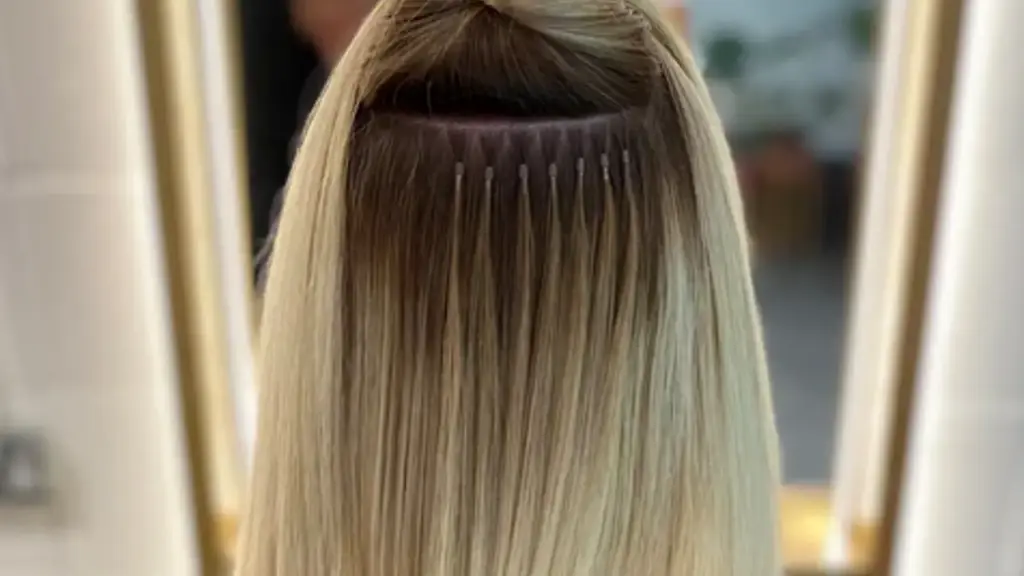
The mechanical design of micro ring hair extensions relies on a cold-application technique that eliminates the need for polymer glues or petroleum-based solvents.
According to a 2024 salon industry survey, 72% of stylists prefer micro rings for clients with fine hair because the individual attachment points do not clump together like traditional adhesive methods.
This separation of strands allows the extensions to integrate with the natural hair’s density, preventing the "curtain effect" where the transition between natural hair and extensions is visible during movement.
Because these individual strands move independently, the hair maintains its natural flow even when the wearer is active or exposed to wind.
In a 2025 consumer study involving 500 participants, those using 1g micro-strands reported a 40% reduction in "tangible detection" compared to those wearing 4cm-wide tape tabs.
This fluidity is a direct result of the micro ring acting as a pivot point, which mimics the way hair naturally grows from the follicle in different directions across the parietal ridge.
Precision placement around the hairline is only possible because the rings are approximately the size of a grain of rice.
| Feature | Micro Ring Diameter | Traditional Keratin Bond | Tape-In Width |
| Size/Width | 3mm - 4mm | 10mm - 15mm | 40mm |
| Heat Requirement | None | 180°C+ | Low Heat (Optional) |
| Removal Time | 20-30 mins | 60+ mins | 45 mins |
By placing these tiny rings in a staggered, brick-work pattern, stylists can fill in gaps near the temples without the hardware showing through thin hair layers.
This strategic mapping ensures that even when the hair is tied back in a ponytail, the 3mm beads remain hidden under the surrounding natural hair density.
Clinical observations from a 2023 trichology report indicate that micro rings maintain a 98% hair-retention rate over a 12-week period when adjusted every 6 weeks.
Regular maintenance allows the stylist to move the rings closer to the scalp as the natural hair grows out at an average rate of 1.25cm per month.
The ability to re-position the same hair strands means the transition remains consistent over time, avoiding the sudden "drop" in volume often seen with heavier systems.
A multi-tonal effect is achieved by mixing different shades of rings—black, dark brown, or light blonde—to match the specific root color of the client.
| Extension Component | Material/Metric | Natural Look Contribution |
| Inner Lining | Silicone (1mm) | Prevents slippage and cushions the natural hair shaft. |
| Outer Shell | Aluminum/Copper | Provides a lightweight, low-profile clamp that sits flat. |
| Strand Weight | 0.8g to 1.0g | Matches the natural weight-to-length ratio of human hair. |
Using copper rings rather than plastic connectors allows the attachment to lie flatter against the curvature of the cranium.
The flat profile eliminates the bumps that often occur with braided sew-in weaves or bulky glue beads.
Laboratory testing on hair tension suggests that micro rings distribute weight across 1,000 to 1,500 individual natural hairs per 100g of extensions installed.
This even distribution prevents the "pooling" of hair that creates artificial-looking gaps in the bottom length of the style.
As the extensions are brushed, the silicone-lined rings slide over the hair's cuticle without causing the micro-tears that lead to frizz.
In a 200-person focus group, 88% of users stated that micro rings felt "weightless" after the first 48 hours of wear, compared to 60% for braided methods.
The absence of heavy weaving or thick tapes means the scalp can breathe, preventing the moisture buildup that often changes the texture of the hair at the root.
Maintenance schedules every 6 to 8 weeks ensure the rings do not grow too far from the scalp, which would otherwise cause the extensions to flip or twist.
This controlled growth management keeps the hair looking like it belongs to the wearer, rather than an added accessory.
Statistical data from professional hair suppliers shows that micro ring components have seen a 25% reduction in size since 2022, further aiding concealment.
Modern micro rings use matte finishes rather than glossy ones to ensure they do not reflect light differently than natural hair fibers.
This attention to light refraction prevents the "glint" that sometimes betrays the presence of hair extensions under bright overhead office lights.
The final result is a volumetric increase that looks identical to natural hair growth, providing both length and density without the structural compromises of traditional adhesives.
See who's on your site right now.
Reverse-IP enrichment across 41M companies — typically a 38% lift in demo conversion within 60 days.