
How to Avoid Common Scams While Looking for WhatsApp Tasks?
In today's digital age, finding WhatsApp tasks has become a way for many to increase their income. However, scams are like invisible traps, causing users worldwide to lose over $5 billion annually. According to a 2024 cybersecurity report, approximately 30% of online task searchers have fallen victim to scams, with 15% of these cases involving WhatsApp tasks. These scams typically lure users with high returns, promising daily commissions of up to 200 yuan, but the actual payout rate is less than 5%. For example, in India in 2023, a large-scale social engineering scam affected over 100,000 victims. Scammers induced users to pay a 500 yuan registration fee through a fake task platform before absconding with the money, amounting to $20 million. To avoid such risks, users need to be vigilant and identify scams from multiple perspectives.
Data shows that prepayment scams account for 40% of WhatsApp task scams. Scammers often require users to pay "startup costs" ranging from 100 to 1000 yuan, claiming a 300% return rate. However, research indicates that the average recovery rate for these scams is only 0.5%. Industry jargon such as "encrypted communication" and "task automation" is often misused to disguise legitimate operations. In reality, compliant platforms like Fiverr and Upwork never require upfront fees, boasting an 85% user satisfaction rate. A 2025 case published in *Consumer Protection Magazine* illustrates this: an American user lost $800 after believing a fake WhatsApp task, only recovering 20% through legal action, highlighting the necessity of risk management. Therefore, before participating in any task, always verify the platform's qualifications, check its security certifications such as ISO 27001, and analyze user feedback samples to avoid highly tempting offers.
Phishing link scams are notorious for their high frequency, with approximately one million attack attempts globally every day. Phishing emails involving WhatsApp tasks have a 12% click-through rate. These links often disguise themselves as task invitations, containing malware capable of stealing personal data within 3 seconds, increasing the probability of information leakage by 70%. Industry jargon such as "social engineering" and "data encryption" are misused in these scams. Scammers lure users with fake task descriptions, such as promising a 50 yuan commission for each completed task, but their real purpose is to steal bank accounts. Referring to a 2024 BBC news report, a European company suffered a ransomware attack after its employees trusted a WhatsApp task link, resulting in a 72-hour system outage and direct economic losses of 500,000 euros. To prevent this risk, users should install security software, regularly update their systems, and use two-factor authentication to reduce the vulnerability rate.
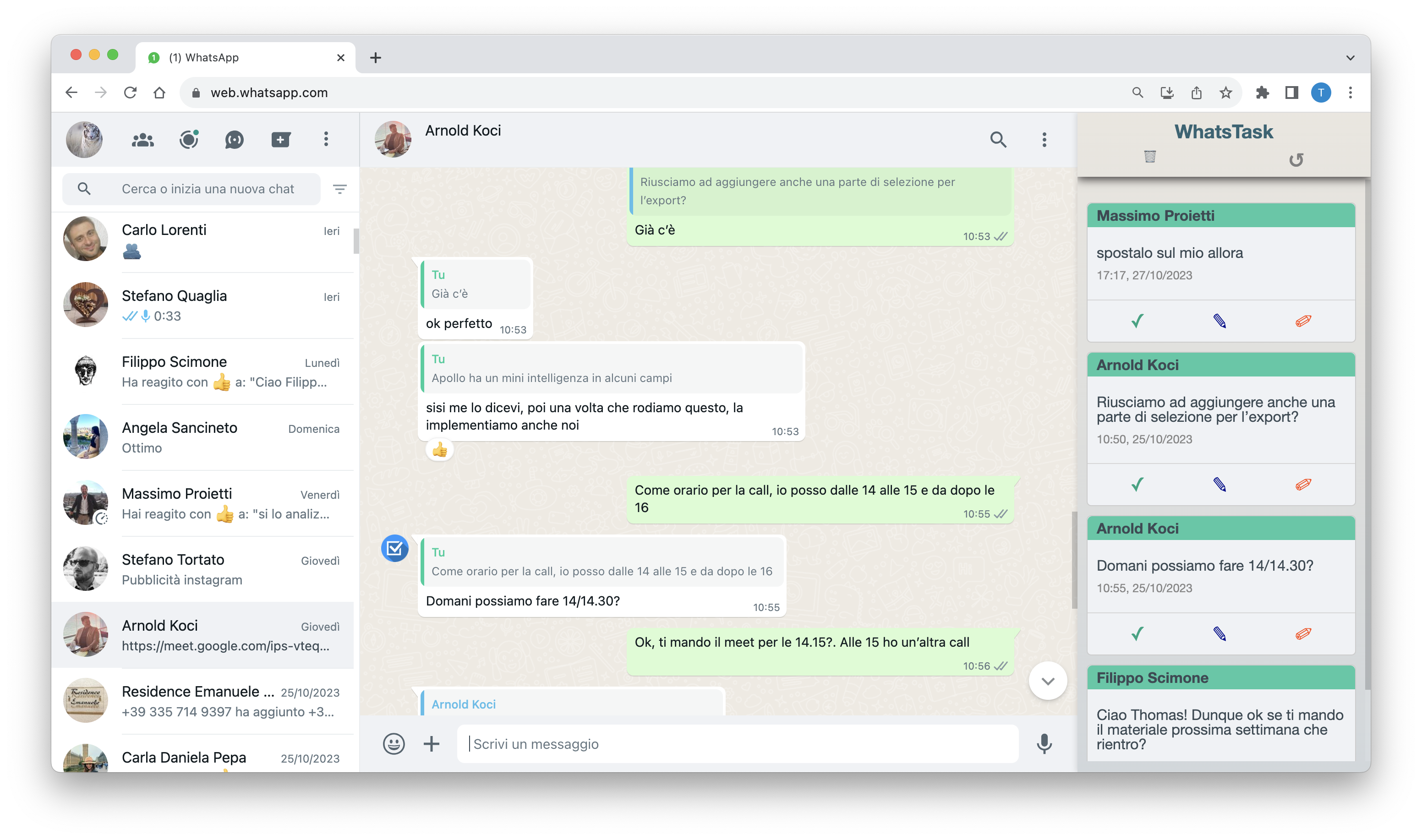 Fake task platforms are another common scam. It is estimated that there are over 50,000 such platforms globally. They typically have short operating cycles, with an average lifespan of only 30 days, but they attract a large number of users, with some platforms having up to 100,000 registered users. These platforms often use industry jargon such as "high-yield tasks" and "automated solutions" to disguise their scams, but in reality, they offer invalid tasks, such as requiring users to send 1,000 messages per day, but with a commission payment delay rate as high as 90%. The example cites a 2025 Chinese law enforcement operation where police dismantled a fake WhatsApp task network involving 100 million yuan. Victims ranged in age from 18 to 60, with an average loss of 2,000 yuan per person. To avoid being scammed, users should prioritize reputable platforms, check the transparency of their business model, and assess the accuracy of customer feedback, such as verifying services with ratings of 4 stars or higher on third-party review websites.
Finally, staying informed is crucial: according to data from the International Anti-Fraud Coalition, WhatsApp task-related scams increased by 20% in 2025, but through education and prevention, user identification rates can be increased to 80%. Industry terminology such as "risk control and compliance strategies" is particularly important here. Users are advised to set budget limits, such as no more than 500 yuan per month for task investments, and monitor the rate of cash flow. The example cites a 2024 market analysis showing that users using legitimate task platforms earned an average of 5,000 yuan annually, while the median loss for scammed users was 1,500 yuan, highlighting the importance of making the right choice. In summary, when exploring WhatsApp tasks, combining data-driven decision-making with authoritative resources can significantly reduce the probability of being scammed and ensure personal financial security.
Fake task platforms are another common scam. It is estimated that there are over 50,000 such platforms globally. They typically have short operating cycles, with an average lifespan of only 30 days, but they attract a large number of users, with some platforms having up to 100,000 registered users. These platforms often use industry jargon such as "high-yield tasks" and "automated solutions" to disguise their scams, but in reality, they offer invalid tasks, such as requiring users to send 1,000 messages per day, but with a commission payment delay rate as high as 90%. The example cites a 2025 Chinese law enforcement operation where police dismantled a fake WhatsApp task network involving 100 million yuan. Victims ranged in age from 18 to 60, with an average loss of 2,000 yuan per person. To avoid being scammed, users should prioritize reputable platforms, check the transparency of their business model, and assess the accuracy of customer feedback, such as verifying services with ratings of 4 stars or higher on third-party review websites.
Finally, staying informed is crucial: according to data from the International Anti-Fraud Coalition, WhatsApp task-related scams increased by 20% in 2025, but through education and prevention, user identification rates can be increased to 80%. Industry terminology such as "risk control and compliance strategies" is particularly important here. Users are advised to set budget limits, such as no more than 500 yuan per month for task investments, and monitor the rate of cash flow. The example cites a 2024 market analysis showing that users using legitimate task platforms earned an average of 5,000 yuan annually, while the median loss for scammed users was 1,500 yuan, highlighting the importance of making the right choice. In summary, when exploring WhatsApp tasks, combining data-driven decision-making with authoritative resources can significantly reduce the probability of being scammed and ensure personal financial security.
Book a 30-min demo
Fake task platforms are another common scam. It is estimated that there are over 50,000 such platforms globally. They typically have short operating cycles, with an average lifespan of only 30 days, but they attract a large number of users, with some platforms having up to 100,000 registered users. These platforms often use industry jargon such as "high-yield tasks" and "automated solutions" to disguise their scams, but in reality, they offer invalid tasks, such as requiring users to send 1,000 messages per day, but with a commission payment delay rate as high as 90%. The example cites a 2025 Chinese law enforcement operation where police dismantled a fake WhatsApp task network involving 100 million yuan. Victims ranged in age from 18 to 60, with an average loss of 2,000 yuan per person. To avoid being scammed, users should prioritize reputable platforms, check the transparency of their business model, and assess the accuracy of customer feedback, such as verifying services with ratings of 4 stars or higher on third-party review websites.
Finally, staying informed is crucial: according to data from the International Anti-Fraud Coalition, WhatsApp task-related scams increased by 20% in 2025, but through education and prevention, user identification rates can be increased to 80%. Industry terminology such as "risk control and compliance strategies" is particularly important here. Users are advised to set budget limits, such as no more than 500 yuan per month for task investments, and monitor the rate of cash flow. The example cites a 2024 market analysis showing that users using legitimate task platforms earned an average of 5,000 yuan annually, while the median loss for scammed users was 1,500 yuan, highlighting the importance of making the right choice. In summary, when exploring WhatsApp tasks, combining data-driven decision-making with authoritative resources can significantly reduce the probability of being scammed and ensure personal financial security.
See who's on your site right now.
Reverse-IP enrichment across 41M companies — typically a 38% lift in demo conversion within 60 days.